

Central Venous and Arterial Line Placement
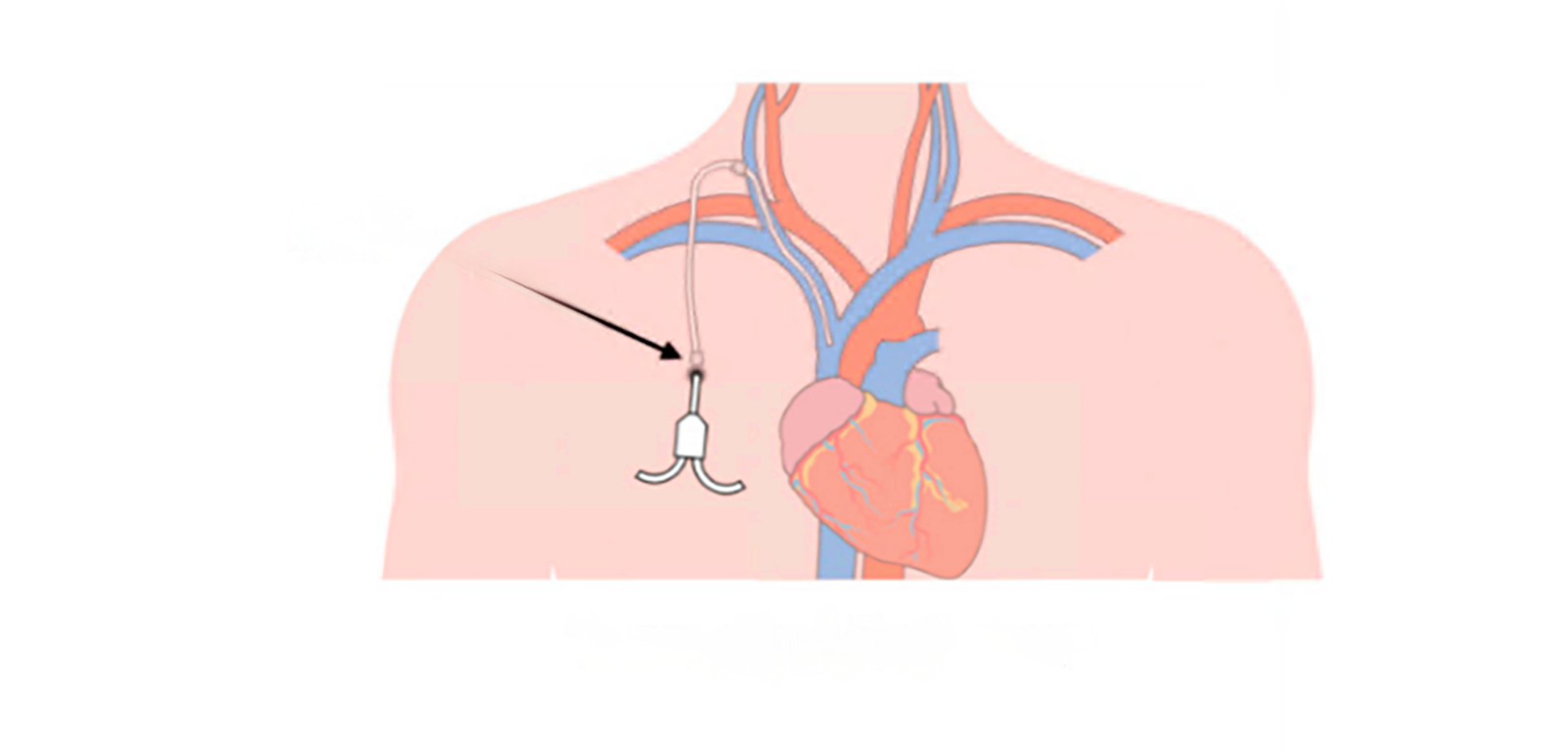
Central venous and arterial line placement are essential procedures in modern intensive care, providing secure vascular access and continuous hemodynamic monitoring for critically ill patients. These invasive lines enable accurate assessment of cardiovascular status, delivery of potent medications, and frequent blood sampling, all of which are vital in managing complex ICU cases.
A central venous catheter (CVC) is inserted into a large vein, commonly the internal jugular, subclavian, or femoral vein. Central lines are indicated for administration of vasopressors, inotropes, hyperosmolar solutions, parenteral nutrition, and for measuring central venous pressure or central venous oxygen saturation. Peripheral veins are often inadequate for these therapies due to the risk of tissue injury or unreliable access.
Arterial lines are placed into arteries such as the radial, femoral, or brachial artery to provide continuous, real-time blood pressure monitoring and facilitate frequent arterial blood gas analysis. In critically unstable patients, arterial lines allow rapid detection of blood pressure changes and precise titration of vasoactive medications, which is not possible with intermittent cuff measurements.
Both procedures are performed under strict aseptic conditions by trained ICU clinicians. Ultrasound guidance is widely used to improve accuracy and reduce complications. Local anesthesia is administered, and the catheter is inserted using standardized techniques. Line position is confirmed, secured, and continuously monitored.
Potential complications include bleeding, infection, thrombosis, pneumothorax (for central lines), and arterial injury. To minimize risk, ICU protocols emphasize sterile technique, daily line assessment, and prompt removal when no longer required. Line care bundles and infection prevention strategies are critical to reducing catheter-related bloodstream infections.
Central venous and arterial lines are not merely technical procedures but integral components of advanced ICU care. When used appropriately, they enhance diagnostic precision, improve treatment safety, and support optimal outcomes in critically ill patients.
A central venous catheter (CVC) is inserted into a large vein, commonly the internal jugular, subclavian, or femoral vein. Central lines are indicated for administration of vasopressors, inotropes, hyperosmolar solutions, parenteral nutrition, and for measuring central venous pressure or central venous oxygen saturation. Peripheral veins are often inadequate for these therapies due to the risk of tissue injury or unreliable access.
Arterial lines are placed into arteries such as the radial, femoral, or brachial artery to provide continuous, real-time blood pressure monitoring and facilitate frequent arterial blood gas analysis. In critically unstable patients, arterial lines allow rapid detection of blood pressure changes and precise titration of vasoactive medications, which is not possible with intermittent cuff measurements.
Both procedures are performed under strict aseptic conditions by trained ICU clinicians. Ultrasound guidance is widely used to improve accuracy and reduce complications. Local anesthesia is administered, and the catheter is inserted using standardized techniques. Line position is confirmed, secured, and continuously monitored.
Potential complications include bleeding, infection, thrombosis, pneumothorax (for central lines), and arterial injury. To minimize risk, ICU protocols emphasize sterile technique, daily line assessment, and prompt removal when no longer required. Line care bundles and infection prevention strategies are critical to reducing catheter-related bloodstream infections.
Central venous and arterial lines are not merely technical procedures but integral components of advanced ICU care. When used appropriately, they enhance diagnostic precision, improve treatment safety, and support optimal outcomes in critically ill patients.
Quick Contact
If you have any questions simply use the following contact details.

Working Hours
-
Out-patient Department
Monday to Saturday 08:00 AM - 09:00 PM
Sunday 10:00 AM - 06:00 PM
-
Emergency Department & Pharmacy
Sunday to Saturday 24x7


Book Appointments, Inquire, or Manage Your Care Easily – Get in Touch via
 04 406 3000
  04 406 3000
Quick Links
Legal
Working Hours
-
Out-patient Department
Monday to Saturday | 8 AM to 9 PM
Sunday | 10 AM to 6 PM
Emergency Department & Pharmacy | 24x7
Connect with us!




©2026 IMH. All Rights Reserved. Ministry of Health License No : TEBMJIU0-060622