

Renal Angiogram / Angioplasty
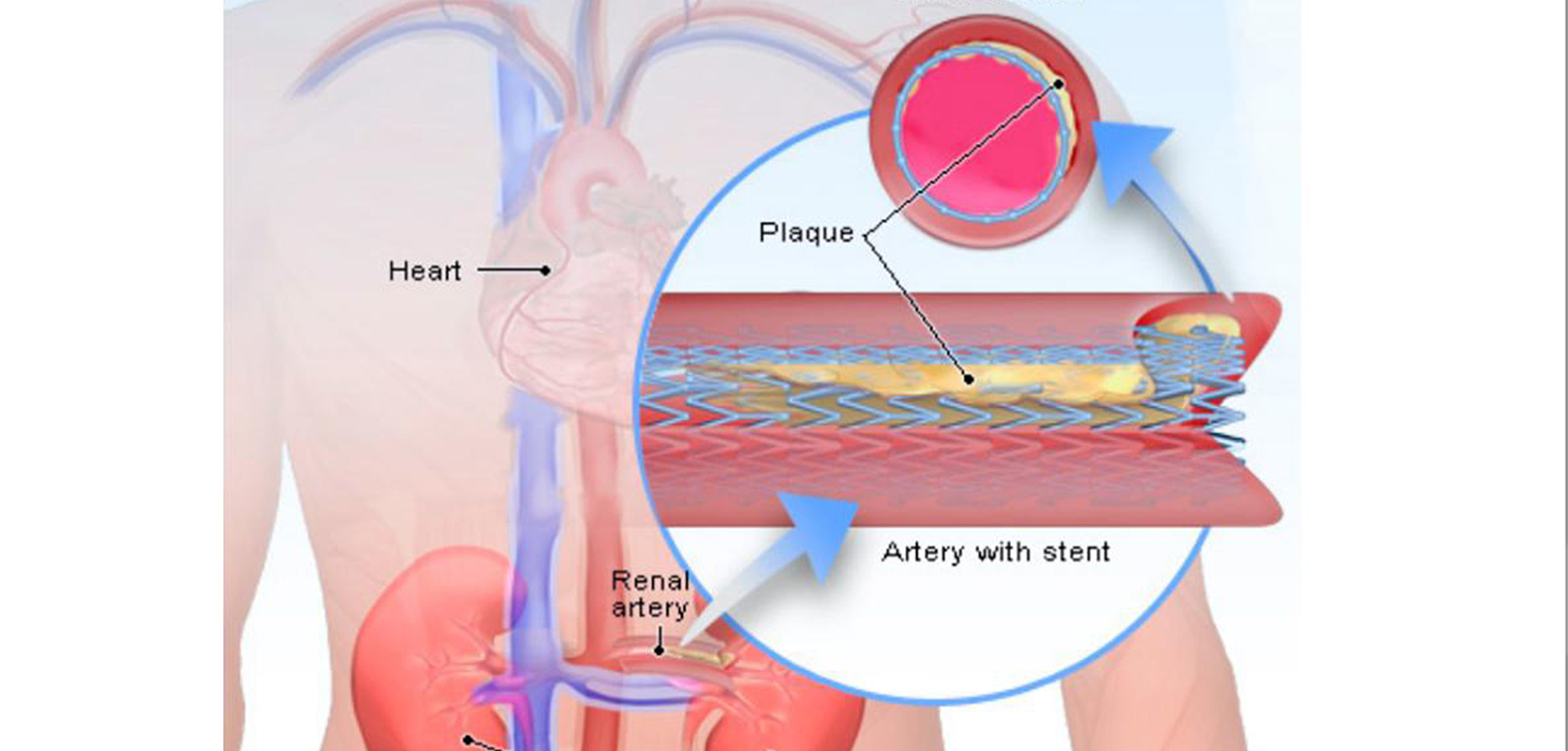
Renal angiogram and renal angioplasty are specialized vascular procedures used to diagnose and treat narrowing or blockage of the renal arteries, which supply blood to the kidneys. Renal artery disease is an important and often underdiagnosed cause of secondary hypertension and progressive kidney dysfunction. Early identification and appropriate intervention play a critical role in preserving kidney function and improving blood pressure control.
Renal artery stenosis most commonly results from atherosclerosis, particularly in older adults and individuals with diabetes, hypertension, smoking history, or generalized vascular disease. In younger patients, fibromuscular dysplasia may be an underlying cause. Reduced blood flow to the kidneys activates hormonal mechanisms that raise blood pressure and may lead to gradual deterioration of renal function if left untreated.
A renal angiogram is a diagnostic catheter-based imaging procedure that provides detailed visualization of the renal arteries. It allows precise assessment of arterial anatomy, degree of narrowing, location of lesions, and blood flow characteristics. Renal angiography is typically performed when non-invasive imaging suggests renovascular disease or when clinical features point to renovascular hypertension.
Renal angioplasty is performed when significant renal artery narrowing is identified and deemed clinically relevant. The procedure involves advancing a catheter to the affected renal artery and widening the narrowed segment to restore adequate blood flow. By improving renal perfusion, angioplasty may help stabilize kidney function and support better blood pressure regulation in selected patients.
These procedures are performed in a specialized vascular or cardiac catheterization laboratory under continuous imaging guidance. The minimally invasive nature of renal angioplasty allows treatment without open surgery, resulting in shorter recovery times and reduced procedural risk compared to surgical revascularization.
Renal angiogram and angioplasty are particularly considered in patients with resistant hypertension despite optimal therapy, unexplained decline in kidney function, asymmetry in kidney size, or recurrent episodes of sudden fluid overload. Careful patient selection is essential, as not all renal artery narrowing requires intervention.
Post-procedure care includes monitoring of kidney function, blood pressure, and vascular access sites. Patients are followed closely to assess clinical response and long-term renal stability. Ongoing cardiovascular risk management and lifestyle modification remain important components of care.
When performed in appropriately selected patients, renal angioplasty can play a valuable role in managing renovascular hypertension and preserving kidney health as part of comprehensive cardiovascular and renal care.
Renal artery stenosis most commonly results from atherosclerosis, particularly in older adults and individuals with diabetes, hypertension, smoking history, or generalized vascular disease. In younger patients, fibromuscular dysplasia may be an underlying cause. Reduced blood flow to the kidneys activates hormonal mechanisms that raise blood pressure and may lead to gradual deterioration of renal function if left untreated.
A renal angiogram is a diagnostic catheter-based imaging procedure that provides detailed visualization of the renal arteries. It allows precise assessment of arterial anatomy, degree of narrowing, location of lesions, and blood flow characteristics. Renal angiography is typically performed when non-invasive imaging suggests renovascular disease or when clinical features point to renovascular hypertension.
Renal angioplasty is performed when significant renal artery narrowing is identified and deemed clinically relevant. The procedure involves advancing a catheter to the affected renal artery and widening the narrowed segment to restore adequate blood flow. By improving renal perfusion, angioplasty may help stabilize kidney function and support better blood pressure regulation in selected patients.
These procedures are performed in a specialized vascular or cardiac catheterization laboratory under continuous imaging guidance. The minimally invasive nature of renal angioplasty allows treatment without open surgery, resulting in shorter recovery times and reduced procedural risk compared to surgical revascularization.
Renal angiogram and angioplasty are particularly considered in patients with resistant hypertension despite optimal therapy, unexplained decline in kidney function, asymmetry in kidney size, or recurrent episodes of sudden fluid overload. Careful patient selection is essential, as not all renal artery narrowing requires intervention.
Post-procedure care includes monitoring of kidney function, blood pressure, and vascular access sites. Patients are followed closely to assess clinical response and long-term renal stability. Ongoing cardiovascular risk management and lifestyle modification remain important components of care.
When performed in appropriately selected patients, renal angioplasty can play a valuable role in managing renovascular hypertension and preserving kidney health as part of comprehensive cardiovascular and renal care.
Quick Contact
If you have any questions simply use the following contact details.

Working Hours
-
Out-patient Department
Monday to Saturday 08:00 AM - 09:00 PM
Sunday 10:00 AM - 06:00 PM
-
Emergency Department & Pharmacy
Sunday to Saturday 24x7



Book Appointments, Inquire, or Manage Your Care Easily – Get in Touch via
 04 406 3000
  04 406 3000
Quick Links
Legal
Working Hours
-
Out-patient Department
Monday to Saturday | 8 AM to 9 PM
Sunday | 10 AM to 6 PM
Emergency Department & Pharmacy | 24x7
Connect with us!




©2026 IMH. All Rights Reserved. Ministry of Health License No : TEBMJIU0-060622