

Pacemaker Implantation
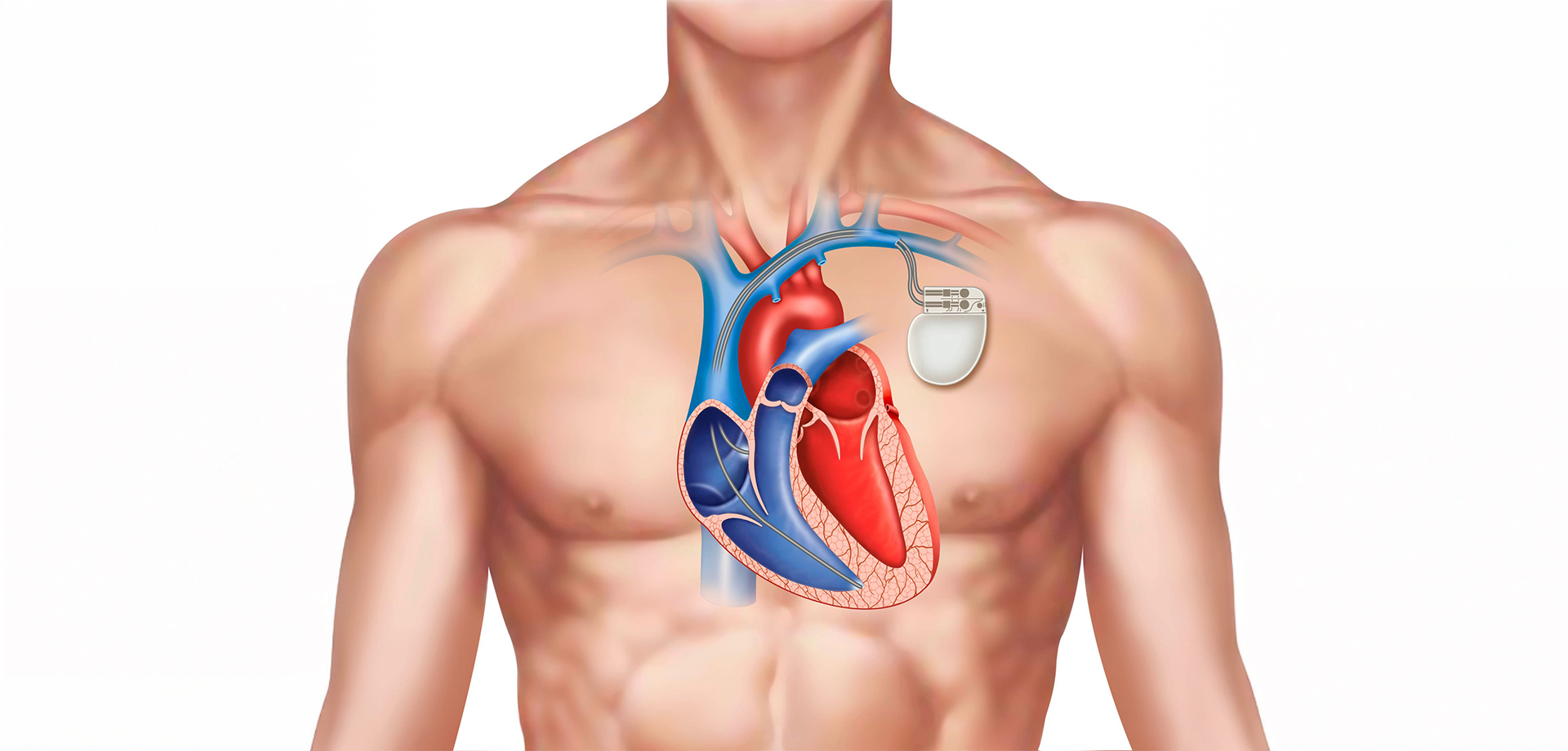
Pacemaker implantation is a well-established cardiac rhythm management procedure used to treat patients with slow or irregular heart rhythms that impair the heart’s ability to maintain adequate circulation. These rhythm disturbances may result from dysfunction of the heart’s natural electrical conduction system and can lead to symptoms such as dizziness, fatigue, breathlessness, syncope, or reduced exercise tolerance.
A pacemaker is a small electronic device implanted beneath the skin, usually in the chest region, with leads positioned inside the heart chambers. It continuously monitors the heart’s rhythm and delivers electrical impulses when necessary to maintain an appropriate heart rate. Pacemaker therapy restores electrical stability, improves cardiac output, and alleviates symptoms associated with bradyarrhythmias.
Pacemaker implantation is indicated in conditions such as sinus node dysfunction, atrioventricular block, and certain conduction system diseases. Careful patient evaluation is essential and includes clinical assessment, electrocardiographic monitoring, and correlation of symptoms with rhythm abnormalities.
The procedure is performed in a specialized cardiac catheterization or electrophysiology laboratory under imaging guidance. It is minimally invasive and allows precise placement of pacing leads to ensure effective electrical stimulation. Continuous monitoring ensures patient safety throughout the procedure.
Following implantation, device function is tested and optimized. Patients receive structured follow-up to monitor device performance, battery longevity, and rhythm stability. Long-term pacemaker management is an essential component of ongoing cardiac care.
Pacemaker implantation significantly improves quality of life and reduces the risk of complications associated with untreated rhythm disturbances when performed in appropriately selected patients.
A pacemaker is a small electronic device implanted beneath the skin, usually in the chest region, with leads positioned inside the heart chambers. It continuously monitors the heart’s rhythm and delivers electrical impulses when necessary to maintain an appropriate heart rate. Pacemaker therapy restores electrical stability, improves cardiac output, and alleviates symptoms associated with bradyarrhythmias.
Pacemaker implantation is indicated in conditions such as sinus node dysfunction, atrioventricular block, and certain conduction system diseases. Careful patient evaluation is essential and includes clinical assessment, electrocardiographic monitoring, and correlation of symptoms with rhythm abnormalities.
The procedure is performed in a specialized cardiac catheterization or electrophysiology laboratory under imaging guidance. It is minimally invasive and allows precise placement of pacing leads to ensure effective electrical stimulation. Continuous monitoring ensures patient safety throughout the procedure.
Following implantation, device function is tested and optimized. Patients receive structured follow-up to monitor device performance, battery longevity, and rhythm stability. Long-term pacemaker management is an essential component of ongoing cardiac care.
Pacemaker implantation significantly improves quality of life and reduces the risk of complications associated with untreated rhythm disturbances when performed in appropriately selected patients.
Quick Contact
If you have any questions simply use the following contact details.

Working Hours
-
Out-patient Department
Monday to Saturday 08:00 AM - 09:00 PM
Sunday 10:00 AM - 06:00 PM
-
Emergency Department & Pharmacy
Sunday to Saturday 24x7



Book Appointments, Inquire, or Manage Your Care Easily – Get in Touch via
 04 406 3000
  04 406 3000
Quick Links
Legal
Working Hours
-
Out-patient Department
Monday to Saturday | 8 AM to 9 PM
Sunday | 10 AM to 6 PM
Emergency Department & Pharmacy | 24x7
Connect with us!




©2026 IMH. All Rights Reserved. Ministry of Health License No : TEBMJIU0-060622