

IVL (Intravascular Lithotripsy)
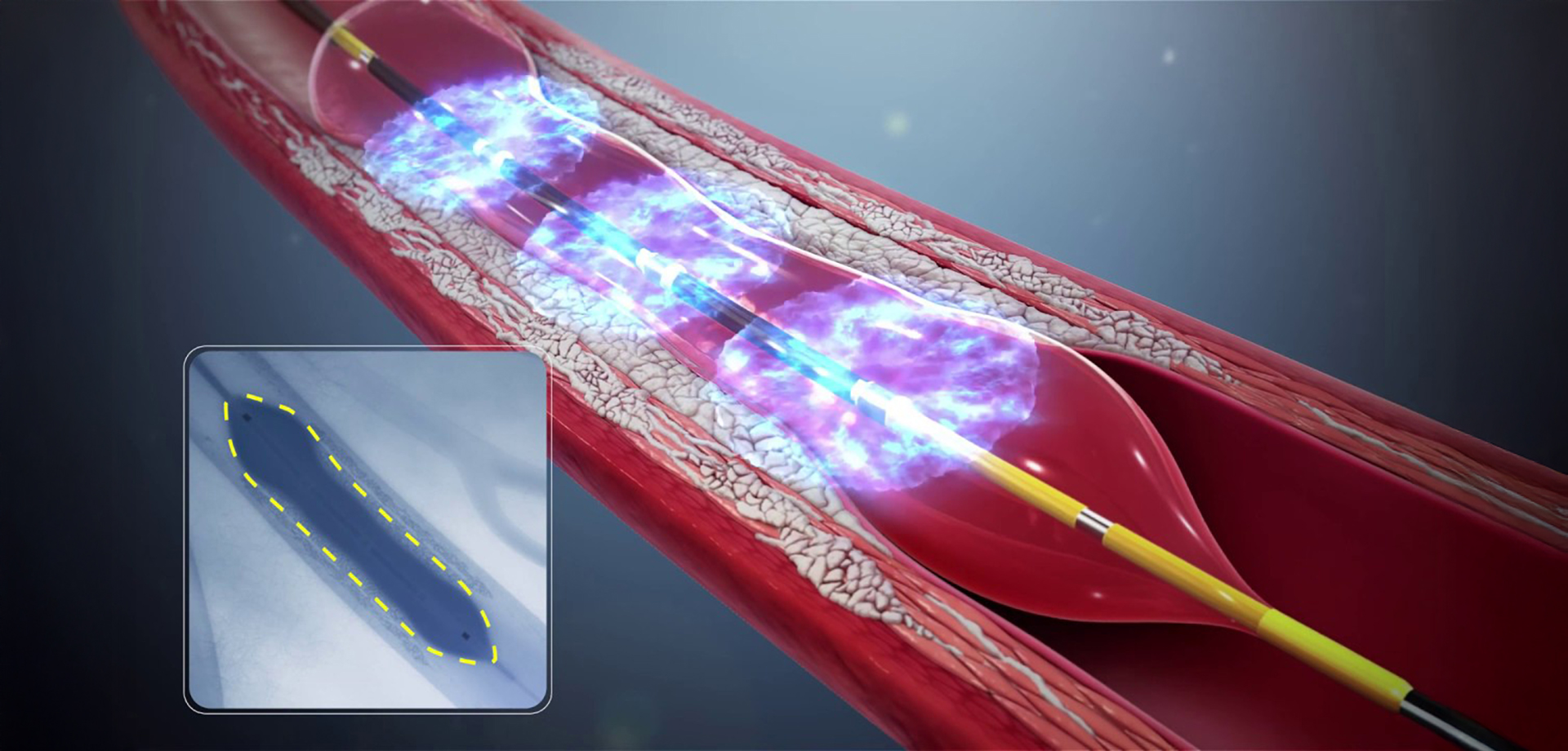
Intravascular Lithotripsy (IVL) is an advanced interventional cardiology technique used to treat severely calcified coronary artery disease. Calcification within coronary arteries presents a major challenge during angioplasty, as rigid calcium deposits can prevent adequate vessel expansion and reduce the effectiveness of standard balloon dilation or stent deployment. IVL offers a targeted solution by modifying calcified plaques safely and effectively.
IVL works by delivering controlled acoustic pressure waves within the artery to fracture deep and superficial calcium deposits. These shockwaves selectively disrupt calcified tissue while preserving the integrity of surrounding soft vascular structures. This allows the artery to become more compliant, enabling optimal expansion during subsequent angioplasty or stent placement.
Patients who benefit from IVL typically have heavily calcified coronary lesions, often identified during coronary angiography. Such calcification is common in elderly patients, individuals with long-standing diabetes, chronic kidney disease, or advanced atherosclerosis. In these patients, traditional angioplasty techniques may be insufficient or associated with higher complication risks.
The IVL procedure is performed in the cardiac catheterization laboratory as part of a planned angioplasty strategy. After positioning the IVL balloon at the calcified segment, controlled pulses are delivered to fracture the calcium. This process improves vessel compliance and enhances procedural safety and outcomes.
One of the key advantages of IVL is its predictable and controlled mechanism of action. Unlike rotational devices, IVL does not rely on high-speed mechanical abrasion, reducing the risk of vessel injury, distal embolization, or procedural complications. This makes it particularly suitable for complex lesions and high-risk patients.
IVL has expanded treatment options for patients who were previously considered difficult to treat due to extensive arterial calcification. By enabling safer and more effective coronary interventions, IVL contributes to improved procedural success, better stent expansion, and enhanced long-term vessel patency.
IVL works by delivering controlled acoustic pressure waves within the artery to fracture deep and superficial calcium deposits. These shockwaves selectively disrupt calcified tissue while preserving the integrity of surrounding soft vascular structures. This allows the artery to become more compliant, enabling optimal expansion during subsequent angioplasty or stent placement.
Patients who benefit from IVL typically have heavily calcified coronary lesions, often identified during coronary angiography. Such calcification is common in elderly patients, individuals with long-standing diabetes, chronic kidney disease, or advanced atherosclerosis. In these patients, traditional angioplasty techniques may be insufficient or associated with higher complication risks.
The IVL procedure is performed in the cardiac catheterization laboratory as part of a planned angioplasty strategy. After positioning the IVL balloon at the calcified segment, controlled pulses are delivered to fracture the calcium. This process improves vessel compliance and enhances procedural safety and outcomes.
One of the key advantages of IVL is its predictable and controlled mechanism of action. Unlike rotational devices, IVL does not rely on high-speed mechanical abrasion, reducing the risk of vessel injury, distal embolization, or procedural complications. This makes it particularly suitable for complex lesions and high-risk patients.
IVL has expanded treatment options for patients who were previously considered difficult to treat due to extensive arterial calcification. By enabling safer and more effective coronary interventions, IVL contributes to improved procedural success, better stent expansion, and enhanced long-term vessel patency.
Quick Contact
If you have any questions simply use the following contact details.

Working Hours
-
Out-patient Department
Monday to Saturday 08:00 AM - 09:00 PM
Sunday 10:00 AM - 06:00 PM
-
Emergency Department & Pharmacy
Sunday to Saturday 24x7



Book Appointments, Inquire, or Manage Your Care Easily – Get in Touch via
 04 406 3000
  04 406 3000
Quick Links
Legal
Working Hours
-
Out-patient Department
Monday to Saturday | 8 AM to 9 PM
Sunday | 10 AM to 6 PM
Emergency Department & Pharmacy | 24x7
Connect with us!




©2026 IMH. All Rights Reserved. Ministry of Health License No : TEBMJIU0-060622