

Assisted Vaginal Delivery (Forceps / Vacuum)
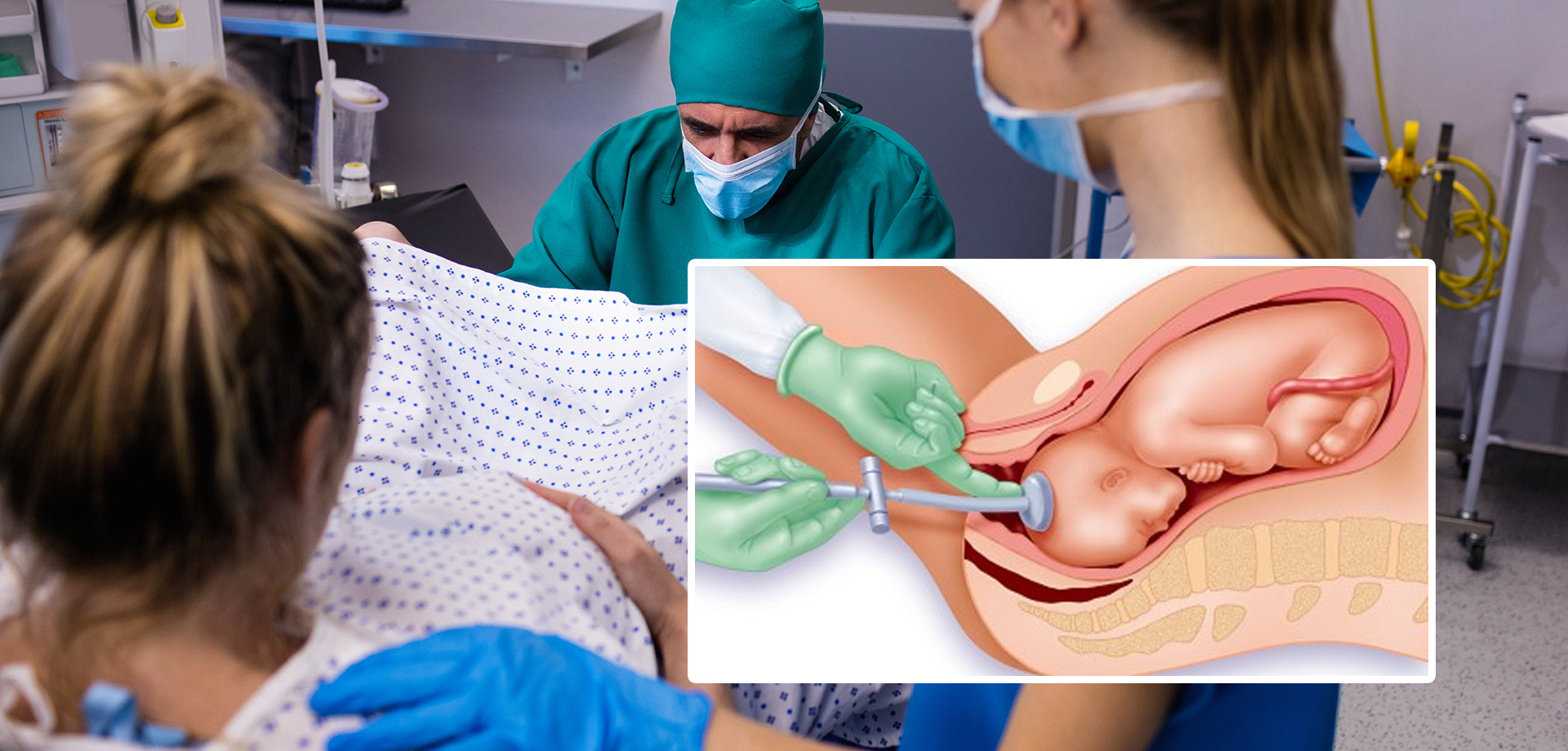
Assisted vaginal delivery, also known as instrumental delivery, is an obstetric intervention used to safely complete childbirth when spontaneous vaginal delivery is not progressing adequately or when there is an urgent need to expedite delivery for maternal or fetal reasons. This procedure is performed using specialized instruments—either forceps or a vacuum extractor—during the second stage of labor, once the cervix is fully dilated and the fetal head has descended into the birth canal.
The decision to proceed with assisted vaginal delivery is based on strict clinical criteria. Common indications include prolonged second stage of labor, maternal exhaustion, ineffective pushing efforts, or evidence of fetal compromise that necessitates prompt delivery. Maternal medical conditions such as cardiac disease, severe hypertension, or respiratory compromise may also necessitate shortening the pushing phase of labor. Prior to attempting assisted delivery, careful assessment is performed to confirm fetal position, engagement of the head, adequacy of the pelvis, and absence of contraindications.
Forceps delivery involves the application of curved metal instruments that cradle the fetal head and guide it through the birth canal in coordination with uterine contractions and maternal pushing. Vacuum-assisted delivery uses a suction cup applied to the fetal scalp to provide controlled traction. The choice between forceps and vacuum depends on clinical urgency, fetal position, gestational age, and the experience of the obstetrician. Both techniques require precision, skill, and adherence to established safety protocols.
When performed appropriately, assisted vaginal delivery offers several advantages. It allows completion of vaginal birth, avoids emergency cesarean section, reduces operative risks, and enables rapid delivery in situations of fetal distress. Compared to cesarean delivery performed late in labor, instrumental delivery may be associated with faster maternal recovery and reduced surgical morbidity.
Potential maternal risks include perineal trauma, vaginal tears, postpartum pain, and, less commonly, pelvic floor injury. Neonatal risks may include scalp bruising, minor facial nerve injury, or transient marks related to instrument use. These risks are minimized when strict selection criteria are followed and the procedure is performed by experienced clinicians.
Following delivery, careful inspection and repair of the perineum are undertaken, and the newborn is thoroughly assessed. Assisted vaginal delivery remains an important component of modern obstetric practice, providing a safe and effective option to manage complex labor situations while preserving the benefits of vaginal birth.
The decision to proceed with assisted vaginal delivery is based on strict clinical criteria. Common indications include prolonged second stage of labor, maternal exhaustion, ineffective pushing efforts, or evidence of fetal compromise that necessitates prompt delivery. Maternal medical conditions such as cardiac disease, severe hypertension, or respiratory compromise may also necessitate shortening the pushing phase of labor. Prior to attempting assisted delivery, careful assessment is performed to confirm fetal position, engagement of the head, adequacy of the pelvis, and absence of contraindications.
Forceps delivery involves the application of curved metal instruments that cradle the fetal head and guide it through the birth canal in coordination with uterine contractions and maternal pushing. Vacuum-assisted delivery uses a suction cup applied to the fetal scalp to provide controlled traction. The choice between forceps and vacuum depends on clinical urgency, fetal position, gestational age, and the experience of the obstetrician. Both techniques require precision, skill, and adherence to established safety protocols.
When performed appropriately, assisted vaginal delivery offers several advantages. It allows completion of vaginal birth, avoids emergency cesarean section, reduces operative risks, and enables rapid delivery in situations of fetal distress. Compared to cesarean delivery performed late in labor, instrumental delivery may be associated with faster maternal recovery and reduced surgical morbidity.
Potential maternal risks include perineal trauma, vaginal tears, postpartum pain, and, less commonly, pelvic floor injury. Neonatal risks may include scalp bruising, minor facial nerve injury, or transient marks related to instrument use. These risks are minimized when strict selection criteria are followed and the procedure is performed by experienced clinicians.
Following delivery, careful inspection and repair of the perineum are undertaken, and the newborn is thoroughly assessed. Assisted vaginal delivery remains an important component of modern obstetric practice, providing a safe and effective option to manage complex labor situations while preserving the benefits of vaginal birth.
Quick Contact
If you have any questions simply use the following contact details.

Working Hours
-
Out-patient Department
Monday to Saturday 08:00 AM - 09:00 PM
Sunday 10:00 AM - 06:00 PM
-
Emergency Department & Pharmacy
Sunday to Saturday 24x7



Book Appointments, Inquire, or Manage Your Care Easily – Get in Touch via
 04 406 3000
  04 406 3000
Quick Links
Legal
Working Hours
-
Out-patient Department
Monday to Saturday | 8 AM to 9 PM
Sunday | 10 AM to 6 PM
Emergency Department & Pharmacy | 24x7
Connect with us!




©2026 IMH. All Rights Reserved. Ministry of Health License No : TEBMJIU0-060622