

Knee Osteoarthritis
Knee osteoarthritis is a chronic, progressive degenerative joint disorder characterized by gradual loss of articular cartilage, subchondral bone changes, osteophyte formation, and synovial inflammation. It is one of the most common causes of chronic knee pain and disability, particularly in middle-aged and elderly populations, but may also affect younger individuals following trauma or ligament injury. The condition leads to mechanical joint dysfunction and progressive loss of mobility.
Patients typically present with activity-related knee pain that worsens with weight-bearing, walking, climbing stairs, or prolonged standing. Morning stiffness is common but usually short-lived. As the disease progresses, pain may occur at rest or during the night. Swelling, crepitus, reduced range of motion, and deformity such as varus or valgus alignment are frequently observed. Functional impairment gradually limits daily activities and independence.
Orthopaedic evaluation begins with a detailed clinical history and physical examination, focusing on pain pattern, mechanical symptoms, alignment, stability, and functional limitation. Radiographic assessment is essential and typically demonstrates joint space narrowing, osteophytes, subchondral sclerosis, and cyst formation. Imaging findings must be correlated with clinical symptoms, as radiographic severity alone does not dictate treatment.
Management of knee osteoarthritis is staged and individualized. Early disease is managed conservatively with activity modification, weight optimization, physiotherapy, and pharmacological pain control. Intra-articular injections may provide symptomatic relief in selected patients. The goal of conservative treatment is to delay disease progression and maintain function.
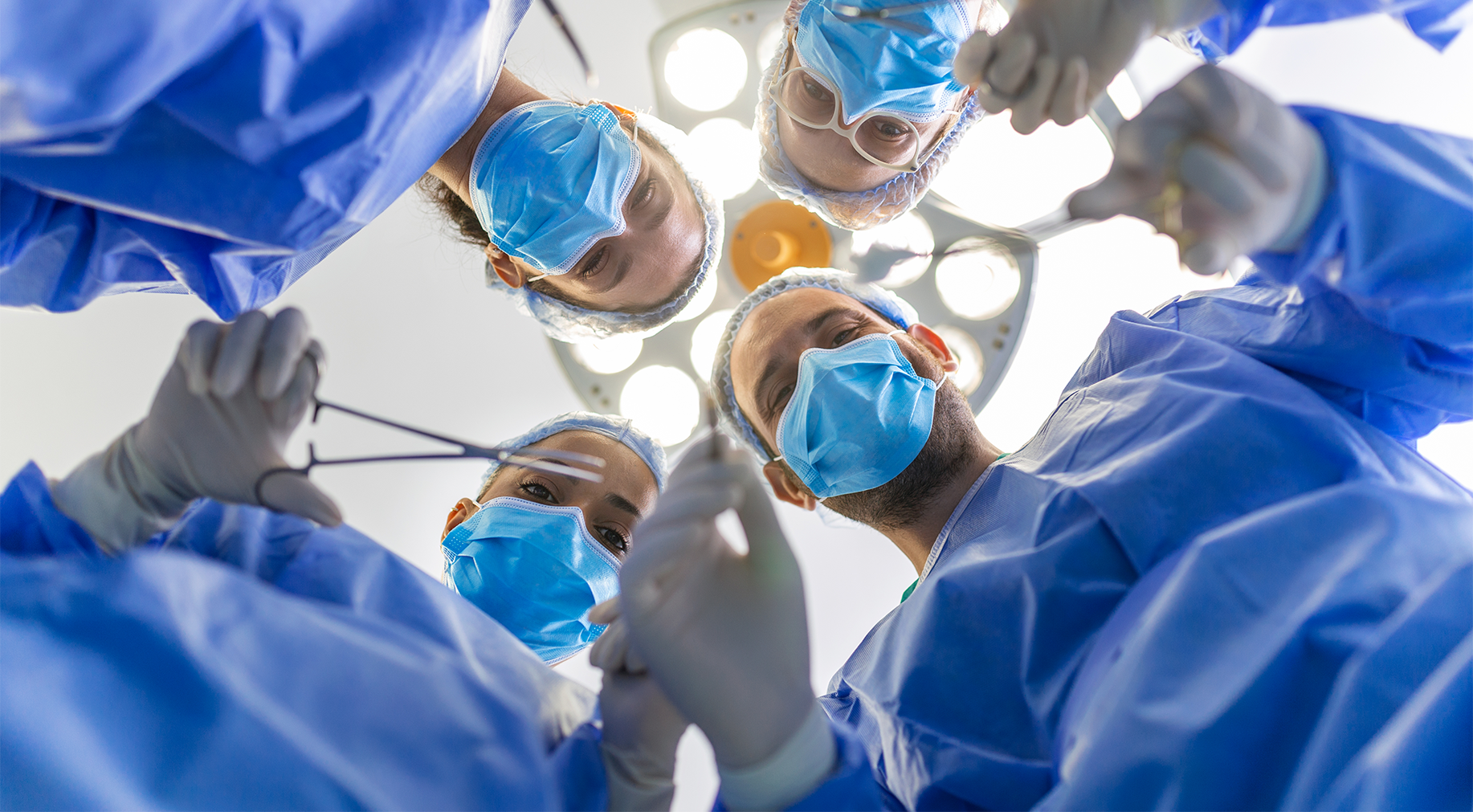
Surgical intervention is considered when conservative measures fail and pain or disability significantly affects quality of life. Surgical options depend on disease severity, compartment involvement, patient age, activity level, and alignment. Procedures range from joint-preserving surgeries in selected cases to partial or total knee replacement in advanced disease.
Total knee arthroplasty is the definitive treatment for end-stage knee osteoarthritis, aiming to relieve pain, correct deformity, and restore function. Outcomes are generally excellent when patients are appropriately selected and surgery is performed with precision. Postoperative rehabilitation is critical for optimal recovery.
Knee osteoarthritis represents a spectrum of disease requiring structured orthopaedic evaluation, staged treatment, and timely surgical intervention to restore mobility and quality of life.
Quick Contact
If you have any questions simply use the following contact details.

Working Hours
-
Out-patient Department
Monday to Saturday 08:00 AM - 09:00 PM
Sunday 10:00 AM - 06:00 PM
-
Emergency Department & Pharmacy
Sunday to Saturday 24x7


 04 406 3000
  04 406 3000
Quick Links
Legal
Working Hours
-
Out-patient Department
Monday to Saturday | 8 AM to 9 PM
Sunday | 10 AM to 6 PM
Emergency Department & Pharmacy | 24x7
Connect with us!




©2026 IMH. All Rights Reserved. Ministry of Health License No : TEBMJIU0-060622