

Cataract
Cataract is one of the most common causes of reversible vision impairment worldwide and a leading eye condition seen across all age groups, particularly among older adults. It occurs when the normally clear natural lens of the eye becomes cloudy, interfering with the passage of light to the retina. This clouding develops gradually and can significantly affect vision, contrast sensitivity, color perception, and overall visual clarity if left untreated. Cataracts may affect one or both eyes and can progress at different rates in each eye.
The most common type is age-related cataract, which develops as part of the natural aging process due to changes in the proteins within the lens. Over time, these proteins clump together, forming opaque areas that reduce the lens’s transparency. However, cataracts are not limited to aging alone. Other causes include diabetes, prolonged exposure to ultraviolet (UV) radiation, smoking, excessive alcohol consumption, long-term use of corticosteroid medications, eye trauma, previous eye surgery, and certain genetic or congenital conditions. In children, cataracts may be present at birth or develop during early childhood due to inherited disorders, metabolic diseases, or infections during pregnancy.
Symptoms of cataract typically progress slowly and may initially be subtle. Patients often report blurred or cloudy vision, increased sensitivity to light and glare, difficulty seeing at night, frequent changes in spectacle prescription, faded or yellowed colors, and halos around lights. Reading, driving, and recognizing faces may become increasingly difficult as the condition advances. Because cataracts develop gradually, many individuals adapt to the changes without realizing the extent of visual decline until it begins to interfere with daily activities.
Diagnosis of cataract involves a comprehensive eye examination by an ophthalmologist. This includes visual acuity testing, slit-lamp examination to assess the lens, dilated retinal examination, and measurement of intraocular pressure. These evaluations help determine the type, location, and severity of the cataract, as well as rule out other eye conditions that may contribute to visual symptoms.
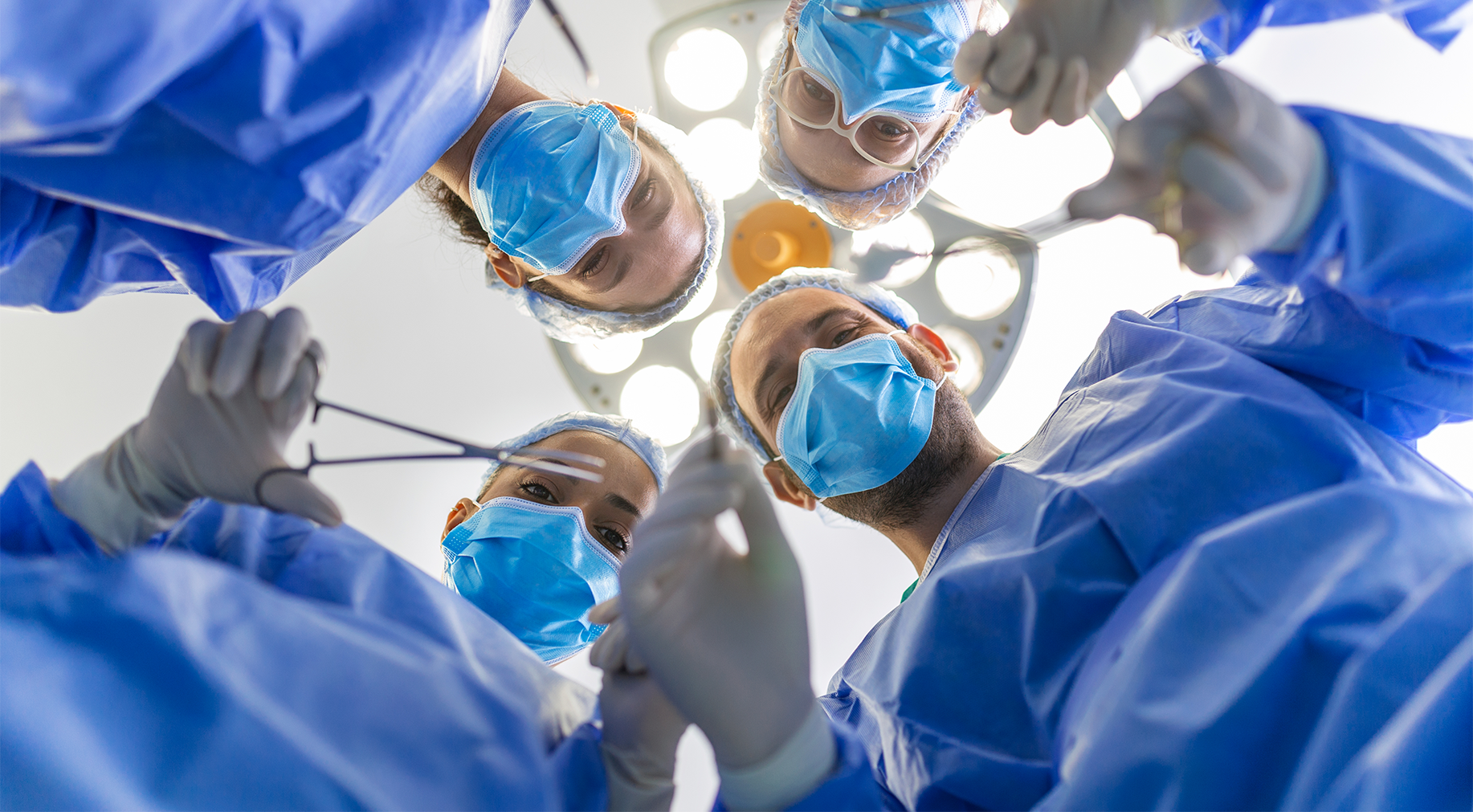
The definitive treatment for cataract is surgical removal of the cloudy lens, followed by implantation of an artificial intraocular lens (IOL). Cataract surgery is one of the most commonly performed and safest surgical procedures in modern medicine, with high success rates and predictable outcomes. The procedure is typically performed using phacoemulsification, a minimally invasive technique where ultrasound energy is used to break up the cloudy lens before removal. Advances in surgical technology now allow for customized lens options, including monofocal, multifocal, toric, and extended depth-of-focus lenses, enabling correction of refractive errors alongside cataract removal.
Postoperative recovery is usually rapid, with most patients experiencing improved vision within days. Regular follow-up is essential to monitor healing, manage inflammation, and ensure optimal visual outcomes. When diagnosed early and managed appropriately, cataract treatment can restore vision, improve quality of life, and significantly enhance independence and safety, particularly in older adults.
Quick Contact
If you have any questions simply use the following contact details.

Working Hours
-
Out-patient Department
Monday to Saturday 08:00 AM - 09:00 PM
Sunday 10:00 AM - 06:00 PM
-
Emergency Department & Pharmacy
Sunday to Saturday 24x7


 04 406 3000
  04 406 3000
Quick Links
Legal
Working Hours
-
Out-patient Department
Monday to Saturday | 8 AM to 9 PM
Sunday | 10 AM to 6 PM
Emergency Department & Pharmacy | 24x7
Connect with us!




©2026 IMH. All Rights Reserved. Ministry of Health License No : TEBMJIU0-060622