

Brain Tumors
Brain tumors are abnormal growths of cells within the brain or its surrounding structures and may be classified as primary tumors originating from brain tissue or secondary tumors resulting from metastatic spread. They encompass a wide spectrum of pathological entities, ranging from slow-growing benign lesions to highly aggressive malignant neoplasms. The clinical behavior, prognosis, and surgical approach depend on tumor histology, location, size, growth rate, and relationship to critical neural structures.
Patients with brain tumors may present with a variety of neurological symptoms depending on tumor location and mass effect. Common presentations include progressive headaches, seizures, focal neurological deficits, cognitive or personality changes, visual disturbances, speech impairment, and signs of raised intracranial pressure such as vomiting or altered consciousness. In some cases, tumors are detected incidentally during imaging performed for unrelated reasons.
Neurosurgical evaluation begins with detailed neurological assessment and high-resolution neuroimaging. Magnetic resonance imaging with contrast is the primary diagnostic modality, allowing precise characterization of tumor anatomy, vascularity, and involvement of eloquent brain areas. Advanced imaging techniques assist in surgical planning and risk stratification.
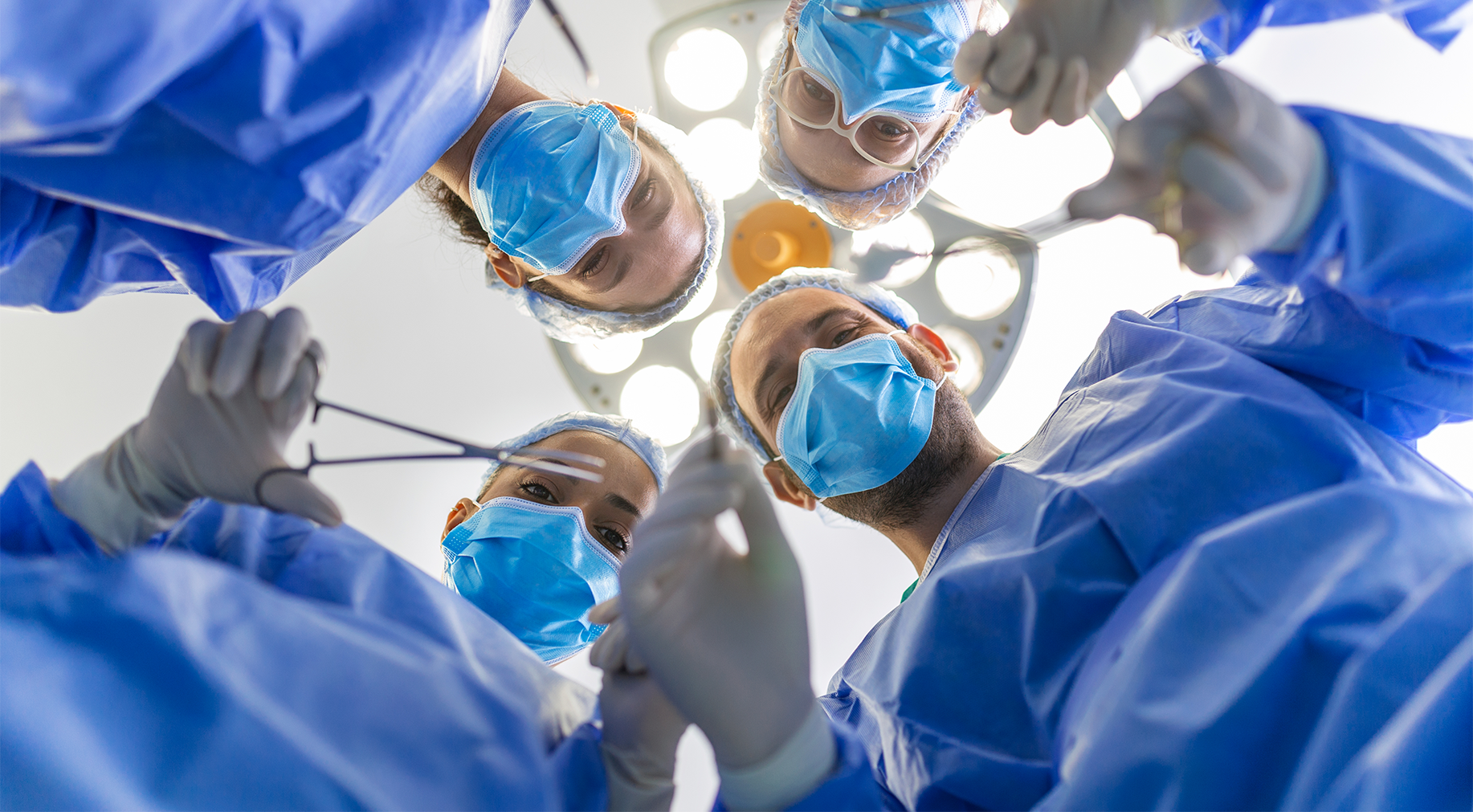
Surgical intervention plays a central role in the management of brain tumors. The objectives of surgery include obtaining tissue diagnosis, achieving maximal safe tumor resection, relieving mass effect, and improving neurological function. The concept of maximal safe resection is critical, aiming to remove as much tumor as possible while preserving neurological integrity.
Modern brain tumor surgery employs microsurgical techniques, image guidance, neuro-navigation, and intraoperative monitoring to enhance precision and safety. Surgical approaches are tailored to tumor location and patient-specific factors. In selected cases, minimally invasive or endoscopic techniques may be utilized to reduce surgical morbidity.
Postoperative care involves close neurological monitoring, management of cerebral edema, seizure prophylaxis when indicated, and coordination with oncology teams for adjuvant therapy. Histopathological analysis guides further treatment decisions and long-term management.
Brain tumor management requires a multidisciplinary neurosurgical approach focused on accurate diagnosis, safe surgical intervention, and preservation of neurological function. Long-term follow-up is essential to monitor for recurrence, manage complications, and support neurological recovery.
Quick Contact
If you have any questions simply use the following contact details.

Working Hours
-
Out-patient Department
Monday to Saturday 08:00 AM - 09:00 PM
Sunday 10:00 AM - 06:00 PM
-
Emergency Department & Pharmacy
Sunday to Saturday 24x7


 04 406 3000
  04 406 3000
Quick Links
Legal
Working Hours
-
Out-patient Department
Monday to Saturday | 8 AM to 9 PM
Sunday | 10 AM to 6 PM
Emergency Department & Pharmacy | 24x7
Connect with us!




©2026 IMH. All Rights Reserved. Ministry of Health License No : TEBMJIU0-060622