

ACL Injuries
Anterior cruciate ligament (ACL) injuries are among the most common and clinically significant ligament injuries of the knee, particularly affecting athletes and physically active individuals. The ACL plays a critical role in maintaining knee stability by preventing anterior translation of the tibia and controlling rotational movements during pivoting and cutting activities. Injury to the ACL results in functional instability that can profoundly affect mobility, athletic performance, and long-term joint health.
ACL injuries typically occur through non-contact mechanisms such as sudden deceleration, rapid direction change, pivoting, or awkward landing from a jump. Contact injuries may also occur due to valgus stress combined with rotation. Patients often describe a popping sensation at the time of injury, followed by immediate swelling caused by hemarthrosis. Pain, reduced range of motion, and difficulty bearing weight are common in the acute phase.
As swelling subsides, patients frequently experience recurrent episodes of knee instability or “giving way,” particularly during activities requiring pivoting or sudden movements. Functional instability is a hallmark of ACL deficiency and significantly increases the risk of secondary injuries, including meniscal tears and articular cartilage damage. Untreated ACL injuries are strongly associated with early-onset knee osteoarthritis due to repeated joint trauma.
Orthopaedic evaluation includes a thorough history, physical examination, and imaging. Clinical tests assessing anterior translation and rotational instability are essential for diagnosis. Magnetic resonance imaging confirms ligament disruption, evaluates associated meniscal or chondral injuries, and assists in surgical planning. Imaging findings must be interpreted in conjunction with clinical symptoms to guide management decisions.
Management of ACL injuries is individualized and depends on patient age, activity level, functional demands, and degree of instability. Non-operative treatment may be appropriate for low-demand individuals with stable knees; however, surgical reconstruction is recommended for patients with symptomatic instability, athletic aspirations, or associated intra-articular injuries.
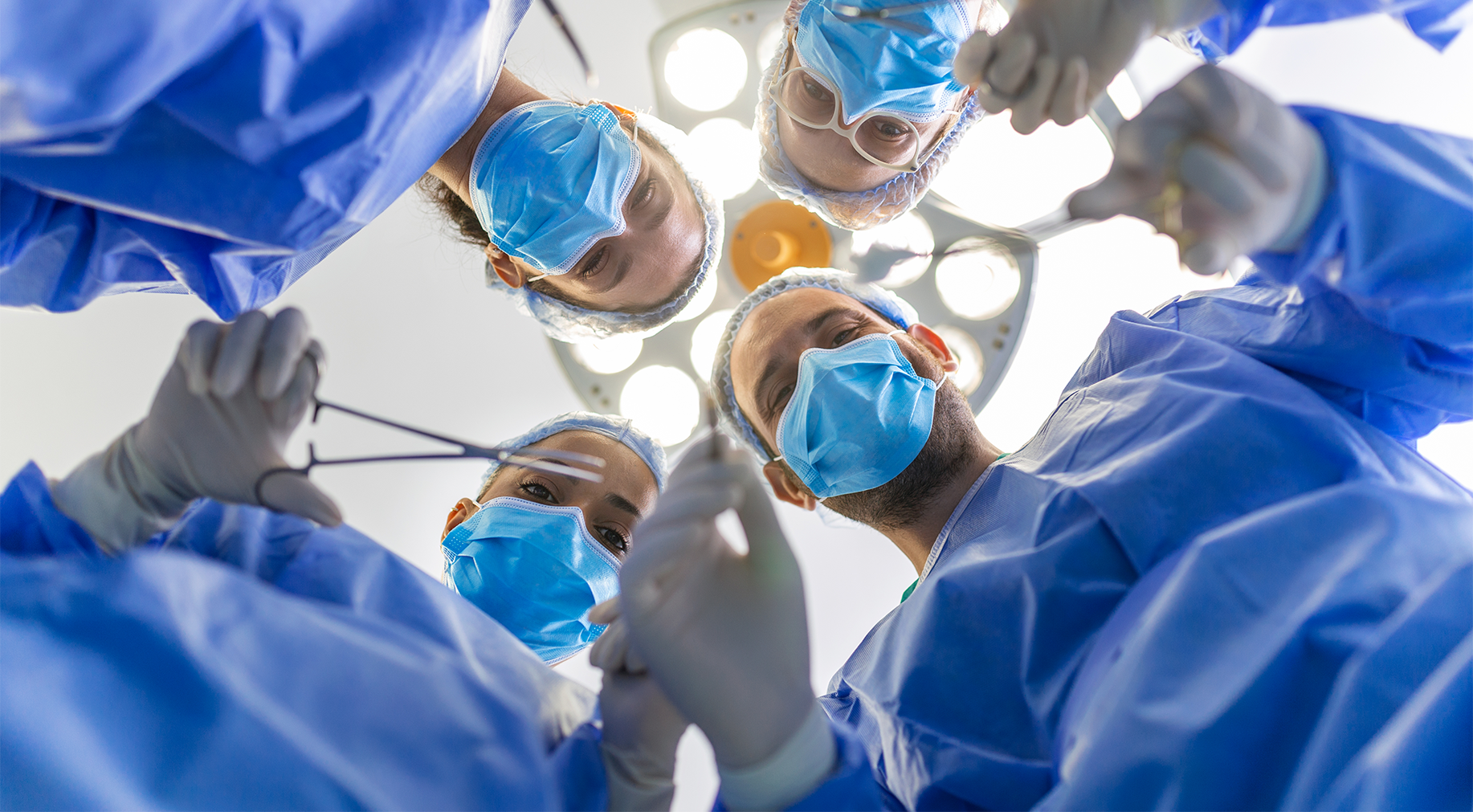
ACL reconstruction aims to restore knee stability, protect secondary structures, and enable return to functional activity. Arthroscopic techniques are widely used and involve graft placement to replicate native ligament anatomy. Surgical success depends on accurate tunnel positioning, graft selection, and meticulous technique.
Postoperative rehabilitation is integral to outcome. A structured rehabilitation program focuses on restoring range of motion, strength, neuromuscular control, and functional stability. Return to sport is carefully staged to reduce re-injury risk.
ACL injuries require timely orthopaedic evaluation and appropriate intervention to preserve knee function and prevent long-term degenerative changes.
Quick Contact
If you have any questions simply use the following contact details.

Working Hours
-
Out-patient Department
Monday to Saturday 08:00 AM - 09:00 PM
Sunday 10:00 AM - 06:00 PM
-
Emergency Department & Pharmacy
Sunday to Saturday 24x7


 04 406 3000
  04 406 3000
Quick Links
Legal
Working Hours
-
Out-patient Department
Monday to Saturday | 8 AM to 9 PM
Sunday | 10 AM to 6 PM
Emergency Department & Pharmacy | 24x7
Connect with us!




©2026 IMH. All Rights Reserved. Ministry of Health License No : TEBMJIU0-060622